Jul 31, 2026


4 minutes
min
Beyond Points and Discounts: Six Trends Shaping the Future of Rewards in the UK
Pricing Strategy








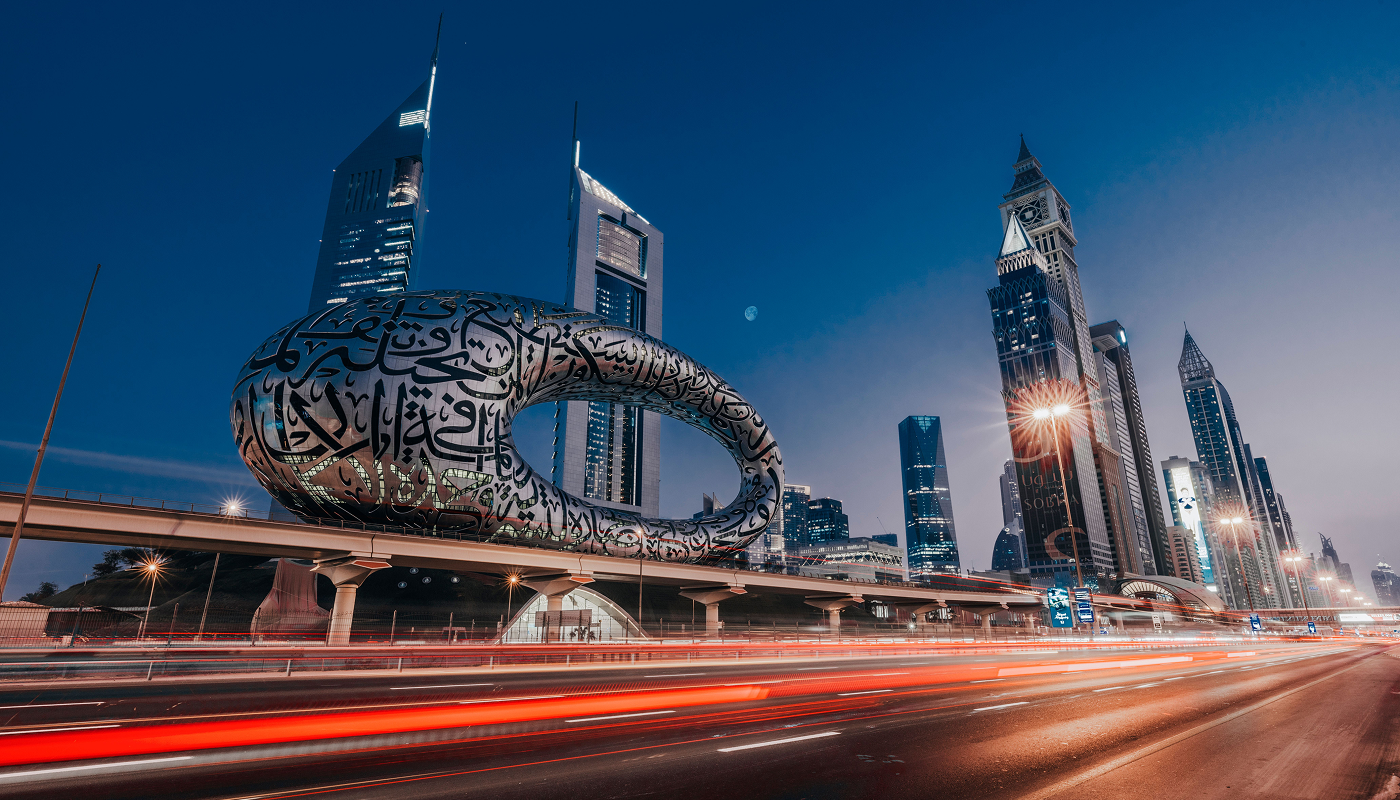


For years, loyalty programs across the region operated on a simple formula: spend more, earn more. Points, vouchers, cashback, and discounts became the currency of customer retention. But in today's market, where consumers are overwhelmed with choice and increasingly resistant to transactional marketing, that model is rapidly losing its power.
Across the Middle East, brands are now recognizing a critical shift in consumer behavior: people no longer want relationships with brands that simply reward purchases. They want brands that reflect who they are, what they value, and the communities they belong to. As a result, loyalty is evolving from a transactional equation into an emotional ecosystem, one built on identity, belonging, personalization, and shared experiences.
The Middle East loyalty market is expected to grow by 15.1% annually, reaching approximately US$3.4 billion in 2026, as brands increasingly invest in AI-driven personalization, embedded rewards ecosystems, and experiential loyalty models.*
This growth reflects more than increased investment in loyalty technology. It signals a broader shift in how organizations view customer relationships. Loyalty is no longer considered a marketing initiative or a standalone rewards program. Increasingly, it is becoming a core business strategy that influences customer retention, lifetime value, advocacy, and long-term profitability.
Consumers today interact with brands across physical stores, e-commerce platforms, mobile apps, social media, digital wallets, and customer service channels, expecting every touchpoint to feel connected and personalized. As competition intensifies across retail, financial services, hospitality, telecommunications, and consumer goods, organizations are recognizing that loyalty extends far beyond the checkout. Every interaction has the potential to strengthen or weaken the customer relationship.
Global loyalty research in 2026 shows consumers are increasingly disengaged from traditional rewards systems, with only 33% saying they feel genuinely connected to the loyalty programs they belong to, pushing brands to prioritize emotional relevance over transactional incentives.
The business case for strengthening loyalty has never been clearer. Research from Bain & Company shows that increasing customer retention by just 5% can increase profits by between 25% and 95%, while acquiring a new customer can cost five to seven times more than retaining an existing one. As customer acquisition costs continue to rise across digital channels, brands are shifting investment away from constantly replacing customers and toward building deeper, more meaningful relationships with the ones they already have.
As brands rethink how they attract, engage, and retain customers, six trends are emerging that are redefining the future of loyalty across the Middle East. Together, they reflect a broader shift from rewarding transactions to building emotional relationships that create long-term customer value.
"The future of loyalty won't be defined by how many points customers earn. It will be defined by how understood, recognized, and valued customers feel. As expectations continue to evolve, brands need to move beyond transactional rewards and create experiences that build genuine emotional connections. That's where lasting loyalty is created." Said Adam Whatling, Chief Commercial Officer of Loylogic.
Trend 1: From consumers to communities
One of the most significant shifts is the rise of community-led branding. Regional companies are no longer treating customers as passive buyers, but as active participants in the brand journey. In culturally connected Middle Eastern markets, where identity and social belonging heavily influence purchasing decisions, consumers increasingly gravitate toward brands that make them feel represented rather than simply marketed to.
Instead of relying solely on mass campaigns, brands are building loyalty through private member clubs, curated events, ambassador programs, and digital communities centered around shared interests and lifestyles. This is especially evident among Gen Z consumers, where authenticity and emotional connection are increasingly outperforming traditional advertising.
Consumers increasingly trust recommendations from peers and creators more than traditional advertising. According to the Edelman Trust Barometer, people place greater confidence in recommendations from individuals and communities than in conventional brand messaging, reinforcing why brands are investing more heavily in customer advocacy and community engagement.
This shift is changing how organizations measure loyalty success. Instead of focusing exclusively on transactions, companies are increasingly tracking participation, referrals, user-generated content, advocacy, and engagement as indicators of long-term customer relationships.
The rise of community-first loyalty is already visible across the region. Majid Al Futtaim SHARE has evolved beyond a traditional retail rewards program by connecting shopping, dining, entertainment, and lifestyle experiences into a single ecosystem. Rather than rewarding isolated purchases, the program encourages members to engage across multiple brands and experiences, creating more frequent and meaningful interactions.
Similarly, beauty, fashion, and lifestyle brands are investing in exclusive member events, influencer collaborations, ambassador communities, and private online groups where customers become active participants rather than passive buyers. Loyalty is becoming something customers belong to, not simply something they join.
For brands, the commercial impact extends beyond engagement. Community-led loyalty encourages advocacy, strengthens trust, increases customer lifetime value, and reduces reliance on costly customer acquisition campaigns. As consumers become more connected through digital platforms, communities are increasingly becoming one of the most valuable assets a brand can build.
For brands, responding to these changing expectations requires more than introducing another rewards program or expanding an existing catalog. As loyalty becomes increasingly personalized, experience-led, and emotionally driven, organizations need access to a broader ecosystem of rewards, merchants, and experiences that can evolve alongside customer expectations. Delivering relevant rewards across multiple countries, cultures, and customer segments has become significantly more complex, making flexibility, global reach, and intelligent reward curation essential components of modern loyalty strategies.
This is where Loylogic's AI-powered global rewards marketplace is helping brands respond to changing customer expectations. Rather than relying on static reward catalogs or limited regional offers, organizations are increasingly leveraging connected reward ecosystems that provide access to millions of rewards, experiences, gift cards, travel, merchandise, digital products, and local offers through a single platform. With more than 15 million reward options available across 190+ countries, Loylogic enables brands to deliver relevant, personalized, and culturally appropriate rewards at global scale while reducing the complexity of managing multiple suppliers and fulfillment partners.
As customer expectations continue to evolve, competitive advantage will depend not only on understanding what customers value, but also on having the flexibility to deliver the right reward, to the right person, at the right moment, anywhere in the world. Increasingly, reward choice is becoming just as important as reward value.
Trend 2: Cultural identity is becoming a competitive advantage
Regional brands also hold a major advantage that many global companies struggle to replicate: cultural proximity. Consumers across the Middle East increasingly favor brands that genuinely understand local traditions, values, and lifestyles, while generic global messaging continues to lose impact.
Brands are responding by localizing campaigns around Back to School, Ramadan, Eid, Christmas, National Days, sustainability, and community-driven causes, while embedding shared values directly into their positioning. Purpose is no longer a corporate add-on; it has become a loyalty driver.
As regional consumers place greater importance on sustainability, ethical sourcing, and local impact, they are asking not only, "What does this brand sell?" but also, "What does this brand stand for?" Emotional alignment is becoming a defining competitive advantage for regional brands.
Localization today extends well beyond translating marketing campaigns into Arabic. It requires organizations to understand how customers live, celebrate, shop, and connect within their local communities. Brands that recognize these cultural nuances are creating experiences that feel authentic rather than adapted.
Programs such as ADNOC Rewards demonstrate how loyalty can become part of everyday life by integrating fuel, convenience retail, dining, and partner benefits into experiences designed specifically around UAE consumer behaviors. Rather than asking customers to change their habits, successful loyalty programs increasingly fit naturally into them.
Whether through exclusive experiences, celebrations, initiatives, or partnerships supporting local communities, culturally relevant engagement is becoming a stronger driver of loyalty than standardized global campaigns. Consumers increasingly expect brands to reflect their identity, not simply communicate with them.
For multinational organizations operating across the region, balancing global brand consistency with local relevance is becoming one of the most important competitive differentiators. Those that successfully localize experiences without losing brand identity are building deeper emotional relationships with customers.
For brands operating across multiple markets, localization also extends to rewards. Customers increasingly expect rewards, offers, and experiences that reflect their local preferences and purchasing behaviors rather than a standardized global catalog. As loyalty becomes more personalized, relevance is increasingly determined not just by what customers receive, but by how well those rewards align with their culture, lifestyle, and everyday needs.
The commercial value is equally significant. Brands that successfully combine global scale with local relevance are better positioned to strengthen trust, increase engagement, and build lasting customer relationships that extend well beyond individual transactions.
Trend 3: Experiences are replacing traditional rewards
Another major shift is the growing importance of experiences over incentives. Traditional loyalty programs rewarded spending, while modern loyalty increasingly rewards participation, engagement, and lifestyle alignment.
Consumers now value exclusivity, access, and memorable experiences more than routine discounts, prompting brands to redesign loyalty around emotional value creation. Private previews, invitation-only events, wellness activations, curated travel experiences, and VIP collaborations are becoming more influential than static point systems, particularly across the Gulf's luxury and lifestyle sectors.
The shift reflects a simple reality: experiences create emotional memory, while discounts create temporary satisfaction.
Customers increasingly remember how brands made them feel long after they have forgotten the discount they received. Emotional experiences create stronger memories, deeper relationships, and higher levels of brand advocacy than transactional incentives alone.
This shift is also redefining what customers expect from rewards. Today's consumers increasingly want greater choice, flexibility, and relevance rather than one-size-fits-all incentives.
Through its AI-powered global rewards marketplace, Loylogic enables brands to offer over 15M+ reward options across travel, retail, dining, digital products, gift cards, merchandise, and local experiences, helping organizations deliver more meaningful rewards to diverse customer segments around the world.
By combining AI-driven recommendations with one of the world's largest global reward ecosystems, brands can personalize reward experiences at scale while continuously refreshing their catalogs to remain relevant as customer preferences evolve.
This evolution is being driven by changing consumer priorities. Research from Eventbrite found that nearly eight in ten millennials prefer spending money on memorable experiences rather than material possessions, a trend that continues to influence younger consumers across global markets. Experiences create stories worth sharing, while discounts often disappear the moment the transaction is complete.
Across the GCC, premium retailers, hospitality brands, financial institutions, and luxury lifestyle businesses are increasingly recognizing that exclusive experiences generate stronger customer advocacy than transactional rewards alone. Whether through private events, early product launches, wellness experiences, or VIP access, these moments create emotional connections that continue delivering value long after the experience itself has ended.
Across the GCC, premium retailers, hospitality brands, financial institutions, and luxury lifestyle businesses are increasingly rewarding customers with invitation-only events, early product access, wellness experiences, exclusive dining, sporting events, and VIP collaborations. These moments create stronger emotional engagement while generating valuable social sharing and organic advocacy.
Unlike financial incentives, experiential rewards continue delivering value long after the event itself. Customers remember how a brand made them feel, recommend those experiences to others, and become stronger advocates over time. This emotional impact is significantly more difficult for competitors to replicate than price promotions or cashback offers.
As reward expectations continue to evolve, organizations are moving beyond simply offering more rewards toward delivering better rewards. Success increasingly depends on giving customers meaningful choice, personalized experiences, and memorable moments that strengthen emotional engagement at every stage of the loyalty journey.
For organizations looking to differentiate in increasingly competitive markets, experiences are becoming a new form of loyalty currency creating emotional connections that customers remember, recommend, and return for.
Trend 4: Hyper-personalization is redefining loyalty
At the same time, AI and customer data are enabling brands to create highly personalized relationships at scale. Consumers increasingly expect brands to anticipate preferences, understand behaviors, and deliver relevant experiences intuitively.
In the UAE, 87% of consumers say they are more likely to shop frequently with brands that offer personalized experiences and tailored rewards. From predictive recommendations to milestone recognition and surprise perks, personalization is evolving beyond marketing efficiency into emotional recognition.
As customer expectations rise across digitally driven Middle Eastern markets, data is no longer just a performance tool; it is becoming a relationship tool.
The rapid adoption of AI is accelerating this transformation. Rather than segmenting customers into broad groups, AI now enables brands to understand individuals based on purchasing behavior, browsing activity, location, engagement history, preferred reward categories, and even predicted future needs. Loyalty is becoming increasingly proactive rather than reactive.
Research from McKinsey estimates that organizations leading in personalization generate up to 40% more revenue from these activities than slower-moving competitors. What was once viewed as a marketing capability is now becoming a measurable business growth strategy that improves customer satisfaction while strengthening commercial performance.
Consumers no longer compare personalized experiences within a single industry. The seamless recommendations they receive from streaming platforms, online retailers, and digital services are shaping expectations across every brand interaction. Whether booking travel, shopping online, ordering food, or managing finances, customers increasingly expect organizations to recognize them, anticipate their needs, and deliver experiences that feel uniquely relevant.
This evolution is particularly important in the Middle East, where mobile-first consumers expect seamless digital experiences across every touchpoint. Personalized milestone rewards, AI-powered product recommendations, surprise recognition, location-based offers, and intelligent reward suggestions are helping brands create emotional moments that strengthen loyalty while improving engagement.
As AI capabilities continue to mature, personalization will become less about delivering better offers and more about making every customer feel understood. The brands that succeed will be those that use data responsibly to create relevance while building long-term trust.
Trend 5: Global reward ecosystems are replacing standalone programs
As customer expectations continue to evolve, brands are discovering that creating emotional loyalty requires more than simply expanding their reward catalogs. Customers increasingly expect flexibility, relevance, and the freedom to choose rewards that reflect their individual lifestyles, wherever they are in the world.
Delivering that level of choice has become significantly more complex. Organizations operating across multiple markets must balance local relevance with global consistency while managing multiple suppliers, currencies, fulfillment partners, and customer preferences.
This is where AI-powered global rewards marketplaces are becoming increasingly valuable. Rather than relying on static reward catalogs or limited regional offers, brands are leveraging connected reward ecosystems that provide access to travel, retail, dining, merchandise, gift cards, digital products, charitable giving, and local experiences through a single platform.
As an AI-powered global rewards marketplace, Loylogic enables brands to access more than 15M+ reward options across 190+ countries through one connected ecosystem. By combining AI-driven recommendations, intelligent reward curation, and a global supplier network, organizations can deliver relevant, personalized, and culturally appropriate rewards while reducing the complexity of managing multiple suppliers across different markets.
The result is greater flexibility for brands and greater choice for customers.
As loyalty becomes increasingly emotional, reward choice itself is becoming part of the customer experience. Competitive advantage will depend not only on understanding what customers value, but also on having the flexibility to deliver the right reward, to the right person, at the right moment, anywhere in the world.
Trend 6: Loyalty is becoming emotional infrastructure
Loyalty is no longer just a program or rewards mechanism; it is becoming part of a brand's emotional infrastructure. In increasingly competitive Middle Eastern markets, where products, pricing, and convenience can all be replicated, differentiation depends on something harder to copy: emotional connection.
The brands that will lead are those that build ecosystems where customers feel culturally understood, emotionally valued, socially connected, and personally recognized. While competitors can match discounts and technology can equalize convenience, emotional attachment remains difficult to replicate.
This shift reflects a broader change in how loyalty is viewed within organizations. Rather than sitting exclusively within the marketing department, loyalty is becoming a company-wide strategy that influences customer experience, digital transformation, product development, partnerships, and long-term business growth. Every interaction contributes to the customer's perception of the brand, making loyalty everyone's responsibility.
Forward-thinking organizations are embedding loyalty across the entire customer journey. Personalized onboarding, proactive customer service, milestone recognition, exclusive communities, educational content, VIP experiences, and surprise rewards are all becoming part of a connected experience rather than isolated campaigns.
This is particularly important as artificial intelligence lowers barriers to innovation. New products can be developed faster, pricing strategies can be copied more easily, and digital experiences can quickly be replicated. Emotional connection, however, is built through trust, consistency, shared values, and meaningful experiences over time. Unlike technology, these relationships cannot be duplicated overnight.
Consumers increasingly remember how brands make them feel long after they forget the promotion they received. A personalized thank-you message, exclusive invitation, community event, or meaningful recognition often creates stronger emotional attachment than another discount or cashback offer. As customer expectations continue to rise, emotional value is becoming as important as financial value.
The organizations that lead the next generation of loyalty will not necessarily offer the biggest rewards. They will be the ones that consistently make customers feel recognized, appreciated, and connected throughout every stage of the relationship.
The future of loyalty is emotional
The Middle East loyalty market continues to evolve at an unprecedented pace, creating new opportunities for brands to rethink how they build customer relationships. While points and discounts will continue to play an important role, they are no longer enough on their own.
The six trends shaping the region's loyalty landscape from community building and cultural relevance to experiences, AI-powered personalization, connected reward ecosystems, and emotional engagement reflect a broader transformation taking place across the industry.
"The future of loyalty isn't about rewarding more transactions. It's about creating more meaningful relationships. Technology gives brands incredible capabilities, but lasting loyalty is built when customers feel recognized, valued, and emotionally connected at every stage of their journey", said Adam Whatling, Chief Commercial Officerof Loylogic.
As an AI-powered global rewards marketplace, Loylogic believes the future of loyalty lies in giving brands the ability to combine intelligent technology with meaningful human experiences. By delivering personalized, culturally relevant, and globally connected reward ecosystems, organizations can strengthen customer relationships while creating long-term competitive advantage.
As the Middle East loyalty market continues its rapid growth, emotional loyalty is becoming more than a competitive advantage it is becoming the foundation of sustainable business growth. The brands that invest in meaningful relationships today will be the ones shaping the future of loyalty tomorrow.
Sources
* GlobeNewswire, Research and Markets, United States Consumer Loyalty Business Report 2026


Get in touch for a personalized demo and see how our reward solutions can help your business grow.